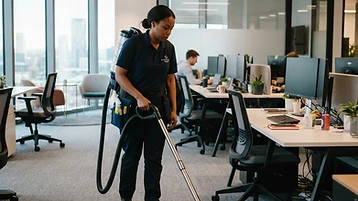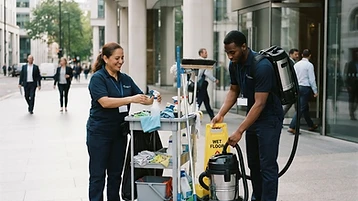

A commercial cleaning contract establishes the responsibilities and expectations of both the customer and cleaning provider.
For businesses, a clearly written agreement can reduce uncertainty about what services are included, when cleaning will occur and how additional requirements will be handled.
While commercial cleaning arrangements vary according to the premises and services involved, several important matters should be considered before entering an agreement.
A Clearly Defined Scope of Work
The cleaning specification is a central part of the contract.
It should identify the areas included in the service and describe the tasks expected in each location.
For example, an office cleaning specification may cover workstations, meeting rooms, kitchens, washrooms, entrances and shared spaces.
It should also identify any areas excluded from the service.
Clear descriptions are preferable to broad statements that leave room for different interpretations.
A phrase such as "general office cleaning" may not explain whether particular surfaces, equipment or periodic tasks are included.
Cleaning Frequency and Service Hours
The agreement should specify how often cleaning will take place.
Some tasks may be completed daily, while others may be scheduled weekly, monthly or periodically.
The contract should also address the normal service days and any relevant access arrangements.
Where cleaning takes place outside business hours, the customer and provider should understand building security requirements and the procedures for entering and leaving the premises.
Public holidays, business closures and changes in operating hours may also require consideration.
Cleaning Materials and Consumables
Responsibility for cleaning products, equipment and consumables should be clearly established.
The agreement may specify whether the contractor supplies routine cleaning materials and equipment.
Washroom consumables, such as toilet paper, hand towels and soap, may be included or arranged separately.
If the customer is responsible for purchasing certain supplies, the contract should make that clear.
It is also useful to establish who monitors stock levels and communicates replenishment requirements.
Periodic and Specialist Cleaning
Not all cleaning activities form part of the routine service.
Carpet cleaning, hard floor maintenance, detailed deep cleaning and other specialist tasks may be scheduled separately.
The contract should identify whether these activities are included in the agreed price, provided periodically or quoted when required.
This distinction helps businesses plan their cleaning budgets and avoid assuming that every maintenance activity is covered.
Service Standards and Communication
The agreement should describe the expected cleaning outcomes and how service concerns will be communicated.
A practical arrangement may identify the customer's main contact, the provider's service contact and the process for raising issues.
Where inspections or service reviews are included, their scope and frequency should be agreed rather than assumed.
Clear communication procedures can help resolve concerns before they become recurring problems.
Pricing and Additional Work
The contract should state the agreed service price and payment arrangements.
Businesses should also understand how additional work, changes in scope and variations in cleaning frequency will be handled.
For example, an office expansion or additional washroom may require a revised cleaning specification and price.
The agreement should explain how such changes are proposed, approved and documented.
Any provisions relating to price reviews should also be understood before signing.
Contract Duration and Termination
Commercial cleaning agreements may operate for a fixed term or under other agreed arrangements.
Businesses should review the contract duration, notice requirements, renewal provisions and termination conditions.
These terms can become particularly important when operational requirements change or a business relocates.
The contract should be read carefully, and professional advice should be obtained where appropriate.
Reviewing the Agreement Before Signing
Before entering a commercial cleaning agreement, businesses should ensure the written scope reflects what was discussed during the quotation process.
It is useful to check that the frequency, included services, materials, access arrangements and pricing are consistent across the proposal and contract documents.
Any uncertainty should be clarified before the service begins.
Building a Clear Service Relationship
A well-prepared commercial cleaning contract provides a practical foundation for ongoing service delivery.
It helps both parties understand the work required, the responsibilities involved and the arrangements for addressing changes.
For businesses comparing cleaning providers, reviewing the contract carefully is just as important as reviewing the quoted price.
NZ Facility Care can discuss your commercial cleaning requirements and prepare a service proposal suited to your premises. Visit Request a Quote to enquire.
Request a Quote